Long workdays, late nights, family commitments and a phone that never stops buzzing. For many men, rest is the first thing to go when life gets busy. But rest isn’t something you earn after everything else is done. It’s what keeps everything else running.
This November, we’re focusing on men’s health, and good rest is one of the simplest places to start.
Why rest matters more than you think
When you don’t rest properly, your whole body feels it. Poor sleep and constant stress can show up as:
- Low energy and difficulty concentrating
- Irritability and a shorter temper
- Cravings for sugary or processed food
- Less motivation to exercise
- Feeling flat, anxious or overwhelmed
- Getting sick more often
On the other hand, good rest helps your body repair, your mind stay clear, and your mood stay steady. Most adults need around 7 to 9 hours of sleep a night. Many men get far less.
Signs you need to recharge
It’s easy to push through tiredness without noticing how much it’s affecting you. Ask yourself:
- Do I wake up feeling tired, even after a full night in bed?
- Do I rely on caffeine to get through the day?
- Do I feel wired at night but exhausted in the morning?
- Am I snapping at people more than usual?
- Do I struggle to switch off from work?
If you answered yes to two or more, it’s time to make rest a priority.
Build a better evening routine
Good sleep starts before you get into bed. A calm, consistent evening routine tells your body it’s time to slow down.
- Set a regular bedtime. Going to bed and waking up at the same time each day, even on weekends, helps your body clock.
- Dim the lights. Lower lighting in the hour before bed helps your body prepare for sleep.
- Put screens away. Try to stop scrolling 30 to 60 minutes before bed. Charge your phone outside the bedroom if you can.
- Cut caffeine after mid-afternoon. Coffee, tea and energy drinks can stay in your system for hours.
- Have a light dinner. Heavy, late meals can make it harder to fall asleep.
- Create a wind-down ritual. A warm shower, a cup of herbal tea, reading or gentle stretching all work well.
Make your bedroom a place to rest
Your environment makes a big difference to how well you sleep.
- Keep it cool. A slightly cool room is better for sleep.
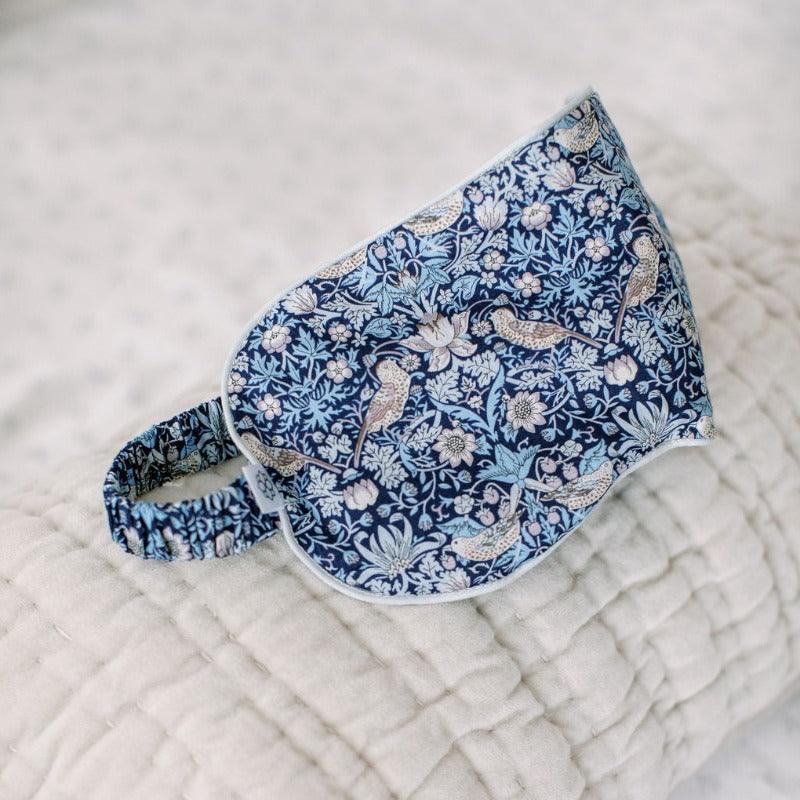
- Keep it dark. Blackout curtains or an eye mask can help.
- Keep it quiet. Earplugs or a white noise machine can block out disturbances.
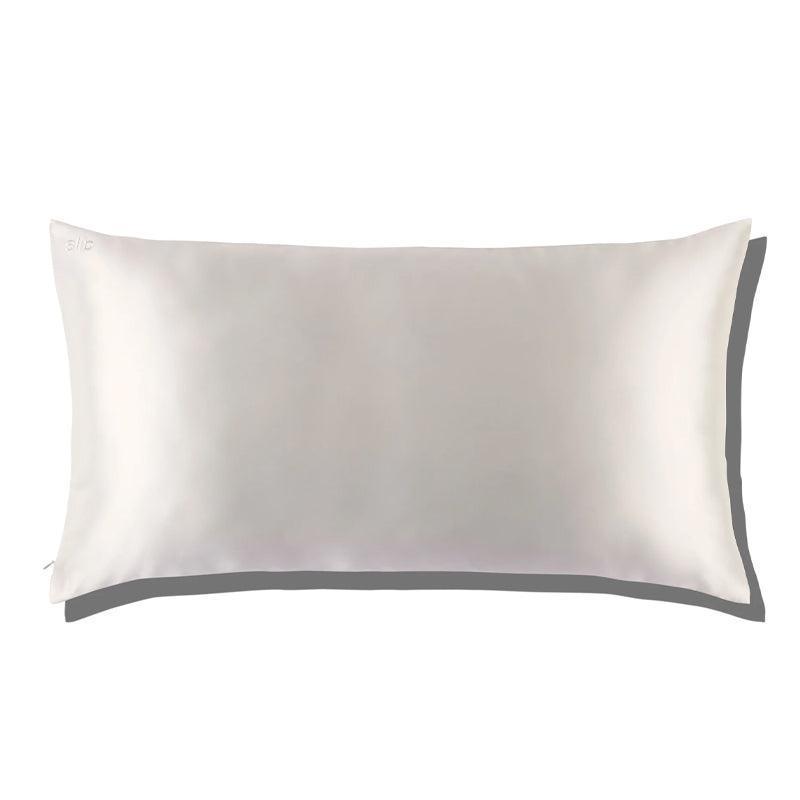
- Invest in comfort. A good pillow and breathable bedding make a real difference.
- Use scent. Calming scents like lavender can help create a relaxing atmosphere.
- Keep work out. Try not to use your bed for laptops and emails.
Simple ways to manage stress during the day
Rest isn’t only about sleep. Short moments of calm during the day help stop stress from building up.
- Take breathing breaks. Breathe in for 4 counts, hold for 4, breathe out for 6. Repeat five times.
- Step outside. A few minutes of fresh air and daylight can reset your mood.
- Move your body. A short walk is one of the fastest ways to release tension.
- Take real breaks. Eat lunch away from your desk.
- Write it down. If your mind is racing, jot down what’s on it. It helps clear your head.
- Say no sometimes. You don’t have to take on everything.
Switching off from work
For many men, work is the hardest thing to let go of at the end of the day.
- Set a clear finish time and stick to it as often as you can.
- Turn off work notifications in the evening.
- Create a transition ritual. Change your clothes, go for a walk, or listen to music on the way home.
- Make plans you look forward to. Time with family, friends or a hobby gives your mind something else to focus on.
When to talk to someone
Everyone has bad nights and stressful weeks. But if poor sleep or stress lasts for several weeks, or starts affecting your work, relationships or mood, it’s worth speaking to a doctor or a mental health professional. Asking for support is a smart, strong step.
Your rest and recharge checklist
Start small. Pick two or three of these for the next week:
- Go to bed 30 minutes earlier
- No screens for 30 minutes before bed
- No caffeine after 3pm
- One 10-minute walk outside each day
- Try the 4-4-6 breathing exercise once a day
- Make one change to your bedroom to improve sleep
Rest and recharge with Waha
Our Rest and Recharge collection brings together products to help you slow down, sleep better and switch off, from calming evening essentials to comfort for your bedroom.
Taking care of yourself isn’t a luxury. It’s how you show up for the people who count on you.
Shop the Rest and Recharge collection at Waha this November.