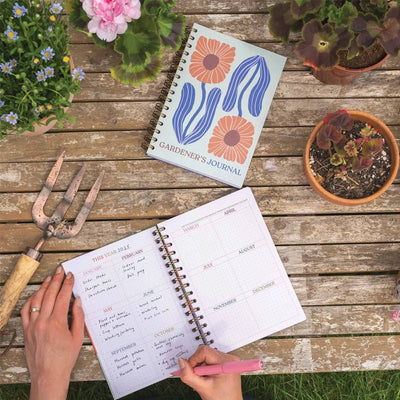
Journaling - a simple yet transformative practice that intertwines with the journey of emotional wellness. Imagine having a personal space where you can unload your thoughts, navigate through your emotions, and find a sense of calm amidst the chaos of everyday life. That's the essence of journaling for emotional wellness. And the beauty of it lies in its simplicity and accessibility. Wherever you are, a journal is your silent friend in need, where you can pour your heart and mind. It's not just about writing things down, it's about reflecting on them, understanding, and gaining insights into your emotional state.
Have you ever considered how journaling could be your secret tool for navigating life's complexities? With journaling, you hold the key to unlocking a more mindful, self-aware, and emotionally balanced version of yourself.
4 Emotional Wellness Benefits of Journaling
1. A Tool for Stress Relief
Think of your journal as a stress dump; it's there to catch all those worries and help you breathe easier.
Journaling is a practical way to manage stress. It works simply: when you write down what's bothering you, it helps take the weight off your mind. Research backs this up. A study in the Journal of Biobehavioral Medicine showed that writing about your feelings can actually lower stress and lead to better health
2. Enhancing Self-Awareness and Regulates Emotions
Ever feel like you're on autopilot? Journaling can help you switch to manual mode. It's like keeping track of your thoughts and feelings, which gives you a clearer picture of yourself and helps you understand and manage yourself and your emotions better.
When you write about your day or how you're feeling, you start noticing patterns: what makes you happy, what ticks you off, and how you react to different situations. This self-awareness is key for personal growth.
You can use simple journal prompts starting with action verbs like, “Identify what made me smile today?” or “Identify what’s really bothering me?or “Reflect on what stressed me out this week?” to explore yourself better. This way, you're actively thinking about your experiences and learning from them. It's a way to gain control and perspective.
3. Facilitating Personal Growth
At times, journaling is more than just writing down your day-to-day experiences. It's a tool for self-improvement.
You can use prompts like, “What are three things I learned about myself this week?” or “What is one goal I want to achieve, and what are the steps to get there?” These prompts encourage you to think about your progress and set goals for your future.
Remember - Your journal is the map to your personal development journey
4. Aiding in Problem-Solving and Decision Making
When you're faced with a tough choice or a problem, writing about it can help sort out your thoughts. It's like laying out all the pieces of a puzzle in front of you, making it easier to see the whole picture
To use journaling for problem-solving, try writing down the problem, listing possible solutions, and exploring the pros and cons of each. This process can provide clarity and help you make informed, thoughtful decisions.
It’s a simple yet effective way to clear your mind and make confident choices.
Journal Prompts for Emotional Wellness
To fully tap into the benefits of journaling for your emotional wellness, consider incorporating these daily journal prompts into your routine.
They range from simple reflections to deeper questions about personal challenges and achievements, each designed to guide you towards greater self-awareness and emotional balance:
1. What are three things I’m grateful for today?
2. What did I learn about myself this week?
3. How did I handle a difficult situation recently, and what could I do differently next time?
4. What are my current stressors, and what steps can I take to manage them?
5. Reflect on a recent success: What did it teach me?
6. What emotions did I feel most strongly today and why?
7. Describe a challenge I overcame and what it taught me about myself.
8. What are my goals for the next month, and what steps will I take to achieve them?
9. What brings me joy, and how can I incorporate more of it into my daily life?
10. Reflect on a moment of peace I experienced recently: What contributed to that feeling?
Choosing the Right Journaling Tools
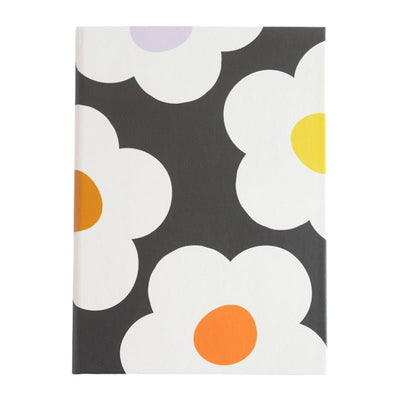
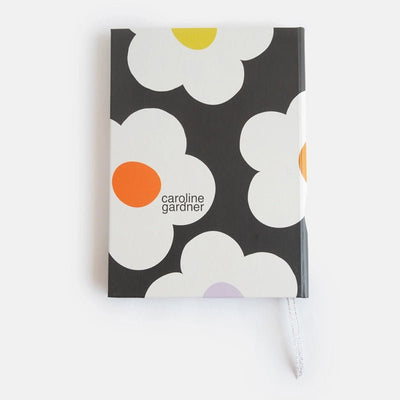
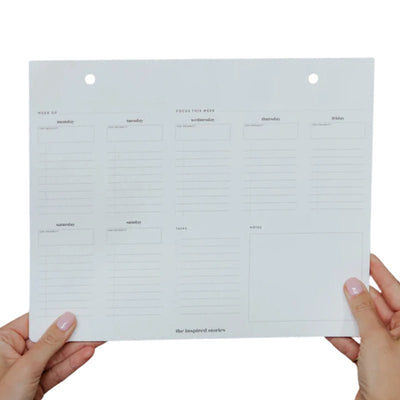
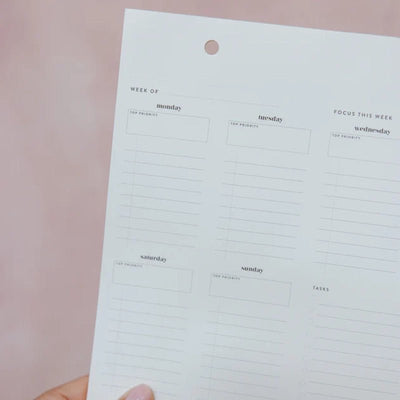
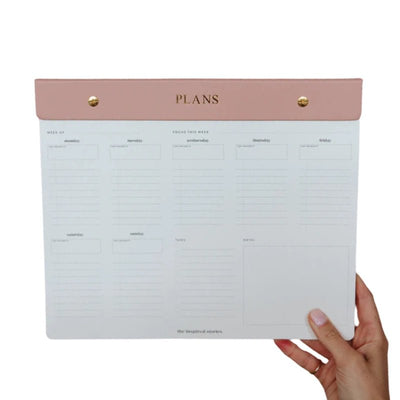
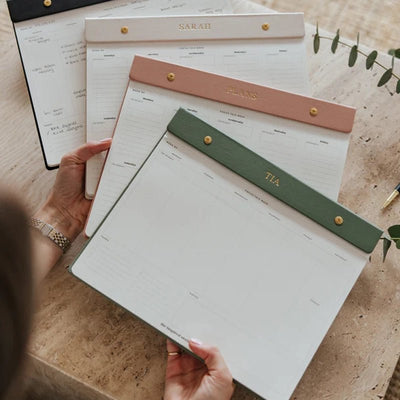
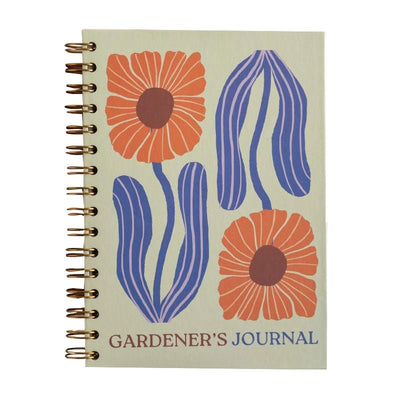
Selecting the right journal is crucial to your journaling practice. There's a variety of journals available to suit different preferences and styles. Some people prefer a simple, no-frills notebook, while others might opt for something more structured like the journals from INTELLIGENT CHANGE, which include guided prompts and structured layouts for more focused journaling.
For a range of high-quality options, check out the collection of notebooks and diaries at wahalifestyle.com. Here, you'll find journals that not only cater to your functional needs but also resonate with your personal style.
Conclusion
By integrating journaling into your daily routine, you create a private space for reflection and self-discovery. It offers a unique blend of stress relief, self-awareness, personal growth, and problem-solving capabilities.
Remember, the right journal can make this experience even more rewarding, so choose a tool that resonates with you and start unlocking the benefits of this enriching practice today.