Oral hygiene is not just about brushing and flossing; it's a gateway to your confident smile and overall health. By maintaining a clean mouth, you're not just preventing cavities but also protecting your body from various health issues. Good oral hygiene is about using the right tools and techniques to keep your mouth healthy and fresh.
Recognising Signs of Poor Oral Hygiene
While maintaining health and wellness, recognizing the early signs of poor oral hygiene is important. Understanding these common indicators is not just about preserving your dazzling smile, but preventing serious health issues and identifying effective treatments. Let's delve into some common signs that signal oral health issues:
1. Bleeding Gums
Often the first red flag of gum disease, bleeding gums occur when plaque accumulates along the gum line. If your gums bleed during brushing or flossing, it's time to reevaluate your oral care routine
2. Tooth Sensitivity
If you wince at the touch of hot or cold foods, you might be experiencing tooth sensitivity. This can be a sign of tooth decay, fractured teeth, worn fillings, gum disease, worn tooth enamel, or an exposed tooth root.
3. Persevering Bad Breath
While bad breath can be temporary, persistence in it could indicate a deeper issue like gum disease, cavities, oral cancer, dry mouth, or bacteria on the tongue.
4. Toothaches or Dental Discomfort
Never ignore tooth pain. A constant or intermittent toothache could signal tooth decay, an abscess, fractured teeth, damaged fillings, or infected gums.
6. Mouth Sores
Although not always serious, persistent mouth sores like canker sores, cold sores, leukoplakia, and candidiasis should be monitored. They can be signs of infection, disease, or oral cancer.
7. Loose Teeth or Changes in Alignment
Changes in how your teeth fit together when you bite or the emergence of gaps and looseness can indicate bone loss or infected gums.
8. Swelling of the Jaw
Swelling or lumps in the jaw can point to a potential infection, tooth abscess, or even more serious conditions like oral cancer.
9. Dry Mouth
While often linked to medication side effects, dry mouth can also be a symptom of diseases and infections, hormonal changes, or dehydration.
Improving Oral Hygiene: Products and Techniques
Enhancing your oral hygiene involves a combination of the right products and techniques.
1. Electric Toothbrushes

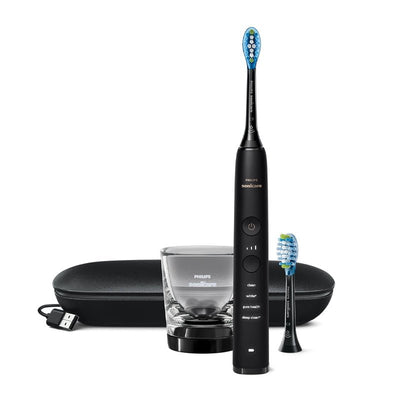
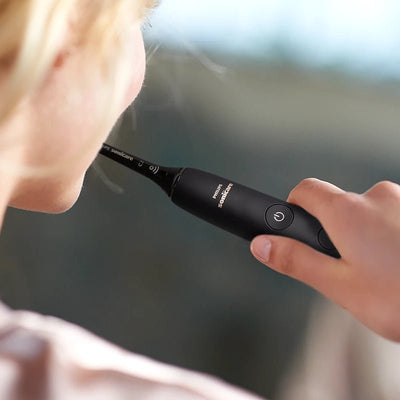
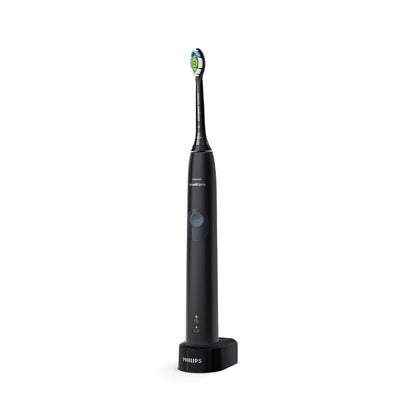
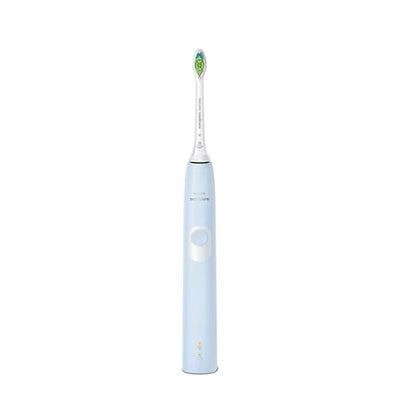
For a deep clean, consider switching to an electric toothbrush like FAIRYWILL. These brushes are designed to efficiently remove plaque and stimulate the gums. Use gentle circular motions and ensure you cover all surfaces of each tooth. Remember, the electric toothbrush does most of the work, so there’s no need to press hard.
2. Toothpastes

Whitening Toothpaste: Ideal for removing surface stains and brightening your smile.
Fluoride Toothpaste: Strengthens tooth enamel and helps prevent decay.
Fluoride-Free Toothpaste: A great option for those looking for a natural alternative.
Charcoal Toothpaste: Popular for its detoxifying properties and effectiveness in whitening teeth.
3. Water Flossers

Complement your brushing with a water flosser. They are especially useful for cleaning hard-to-reach areas and are gentle on the gums. While they are great for removing large debris, remember to also use traditional floss for optimal plaque removal.
4. Tongue Cleaning

Don't forget your tongue; it can harbor bacteria that cause bad breath. Use a tongue cleaner, like Dr.Tungs products, to remove this biofilm effectively.
5. Brushing and Flossing Techniques
Brushing: Brush at least twice a day with a soft-bristled toothbrush. Position your brush at a 45-degree angle to your gums, and brush all surfaces of your teeth with gentle, circular motions
Flossing: Floss daily to remove plaque and food particles between teeth. Use about 18 inches of floss, winding most around your middle fingers. Gently guide it between your teeth, curving it around each tooth and moving it up and down.
6. Use an Antibacterial Mouthwash
Incorporate an alcohol-free antibacterial mouthwash into your routine to reduce plaque buildup and keep oral bacteria at bay.
7. Regular Dental Visits
Schedule routine check-ups and cleanings to maintain oral health. Depending on your individual needs, you may require more frequent visits.
8. Avoid Tobacco Products
Steer clear of tobacco to reduce your risk of gum disease and oral cancer. Seek help if you need assistance quitting.
The Link Between Oral Health and General Health
Oral health is a mirror of your body's condition. A healthy mouth often signals good general health. The intricate connection between oral health and general health is often underestimated. Our mouths are teeming with bacteria — most of them harmless. However, without proper oral hygiene, harmful bacteria can reach levels that might lead to oral infections, such as tooth decay and gum disease.
The takeaway here is clear: maintaining good oral hygiene isn't just about keeping your teeth sparkling; it's about preserving your overall health. With the right products, techniques, and regular dental care, it can be easy and rewarding.