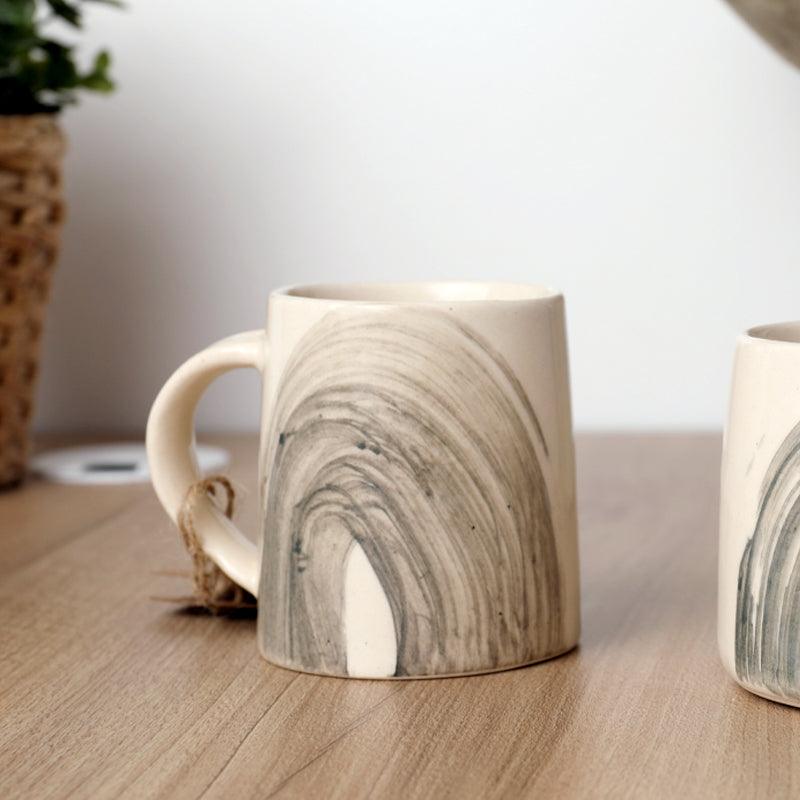
Karak at 10pm is lovely, but it won’t help you switch off. Herbal teas give you the same warm ritual without the caffeine.
What counts as herbal tea?
Black, green and white tea all come from one plant and all contain caffeine. Herbal teas are made from other flowers, leaves, roots and spices, so most are naturally caffeine-free.
The ones worth knowing
- Chamomile: mild and honeyed, the classic bedtime tea. Start here if you only try one.
- Rooibos: sweet and nutty, the closest thing to black tea without the caffeine. Works with a splash of milk.
- Lemongrass: fresh and citrusy, light after meals and lovely iced.
- Peppermint: cooling and sharp, a favourite after a heavy dinner.
- Ginger: warming and a little spicy, good on cold evenings.
- Blends: an easy way to explore. Our Cup of Calm chamomile-mint blend is made for winding down.
Match your tea to your day
| When | Try |
|---|---|
| After lunch | Lemongrass or peppermint |
| Afternoon slump | Rooibos |
| After a heavy dinner | Peppermint or ginger |
| An hour before bed | Chamomile or a calming blend |
Brew it properly
- Use water just off the boil. Most herbs can handle the heat.
- Steep for 5–7 minutes. Unlike black tea, herbal tea rarely turns bitter.
- Cover the cup. This keeps the aromatic oils in, especially with chamomile and mint.
- Try loose leaf. It has room to open up. A glass teapot with a strainer makes it easy.
- Add honey once it’s cooled a little, so you can still taste it.
Good to know
If you’re pregnant, breastfeeding or on regular medication, check with your doctor, as some herbs interact with medicines. If you’re allergic to ragweed or daisies, chamomile may not suit you.
The calming part isn’t only what’s in the cup. It’s the five minutes you spend waiting for it. Put your phone down and let that pause do its work.
Find your evening cup in our herbal teas and the Calm collection.